


 English
 Ελληνικά
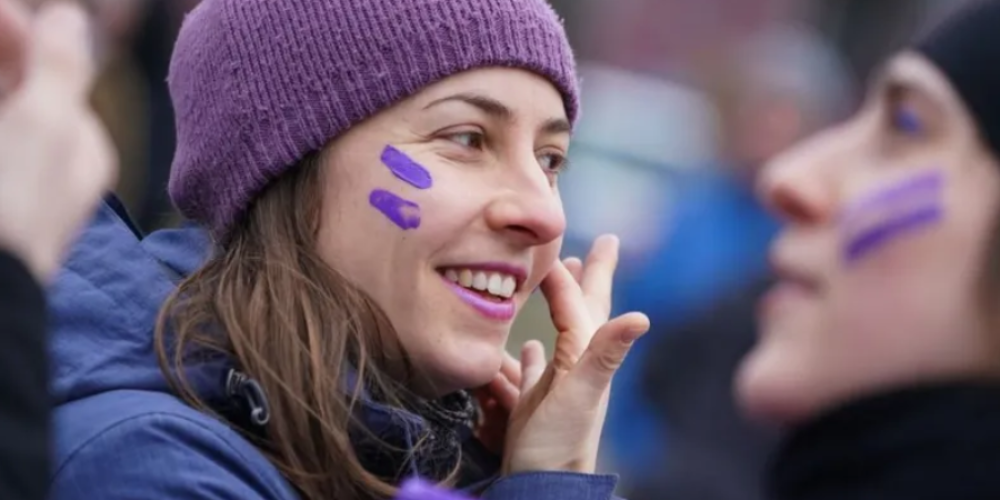
For more than a century, people around the world have marked International Women’s Day on 8 March.
But what is the day for, and why does it matter?
Source: BBC
How did International Women’s Day start?
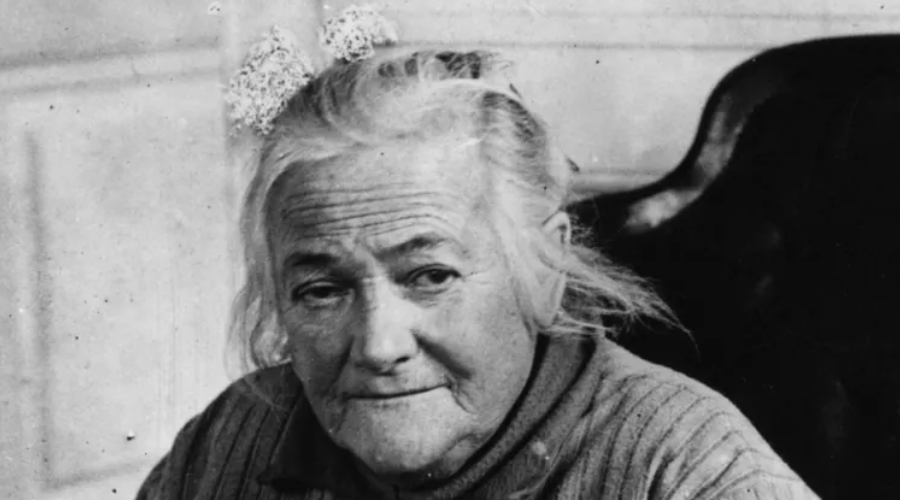
International Women’s Day (IWD) grew out of the labour movement.
The seeds were planted in 1908, when 15,000 women marched through New York City demanding shorter working hours, better pay and the right to vote. A year later, the Socialist Party of America declared the first National Woman’s Day. The idea to make it an international event came from Clara Zetkin (in the photo), a communist activist and advocate for women’s rights.
In 1910, she raised it at an International Conference of Working Women in Copenhagen. Her suggestion was unanimously backed by the 100 women from 17 countries who were at the conference. The first International Women’s Day was celebrated in 1911, in Austria, Denmark, Germany and Switzerland. The United Nations (UN) started marking the event in 1975. The first theme adopted by the UN (in 1996) was “Celebrating the Past, Planning for the Future”.
How is International Women’s Day celebrated around the world?
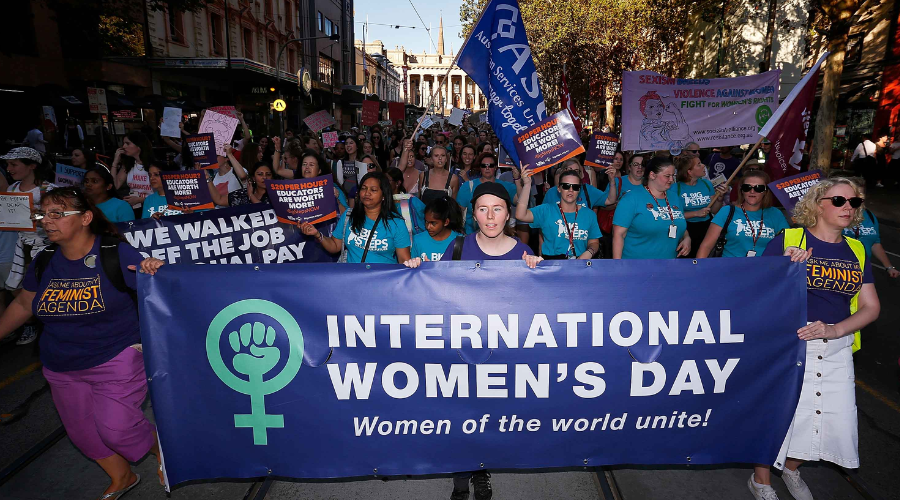
International Women’s Day is a national holiday in many countries. In China for example, many women are given a half-day off work, as advised by the State Council. Thousands of events take place globally, including marches, talks, concerts, exhibitions and debates.
In Italy, IWD is called Festa della Donna, and mimosa blossoms are a popular gift. Flower sales in Russia & Greece typically double around International Women’s Day. In the US, March is Women’s History Month. A presidential proclamation issued every year honours the achievements of American women.
Why do people wear the colour purple for International Women’s Day?
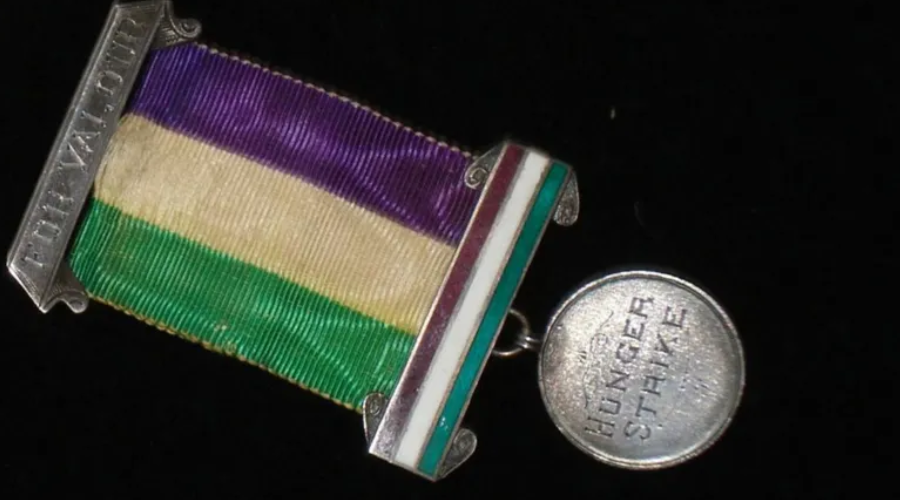
People are often seen at IWD events wearing purple, green and white.These colours were used by the Women’s Social and Political Union (WSPU), a group set up in the UK in 1903 to fight for women’s votes.
Emmeline Pethick-Lawrence, who ran the publication Votes for Women alongside her husband Fred at this time, came up with the colour scheme: “Purple as everyone knows is the royal colour, it stands for the royal blood that flows in the veins of every suffragette, the instinct of freedom and dignity… white stands for purity in private and public life… green is the colour of hope and the emblem of spring.”
What is the theme of International Women’s Day 2026?
Then main focus area: The campaign encourages supporting women in leadership, STEM, economic empowerment, and education.
Why do campaigners argue that International Women’s Day is needed?
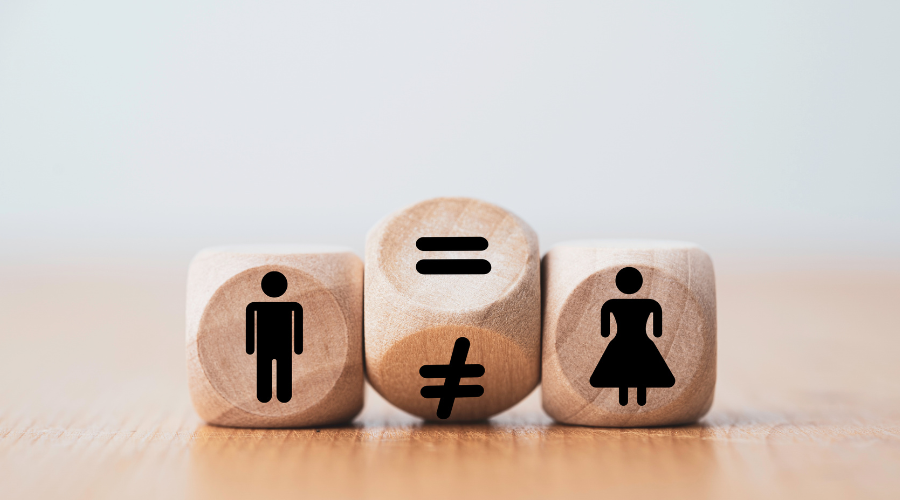
According to the 2025 Global Gender Gap Index, published every year by the World Economic Forum, no country has yet achieved full gender equality or parity. It warns it is likely to take more than a century before it is reached across the globe.