


 English
 Ελληνικά



Team
Clients
Cities
Engaged Employees
Loading…

Our Philosophy
Is based upon improving the daily lives of your most valuable asset. Your own people! While making your HR Department life easier by outsourcing to WorkWell the needs, complexities and time required to manage your yearly corporate wellness initiatives.
Loading…

Value Proposition
We can help you bring the very best out from your employees and enable them to feel as part of a bigger and carrying family.

Boost Morale

Strengthen Culture

A Healthier Workforce

Retain & Recruit Best Talent
Improve Engagement

A Happier Workforce
Loading…

The WorkWell Difference

More Engaged Employees

Of Participants would recommend WorkWell to a colleague.

Of Participants believe we are their best day of the month
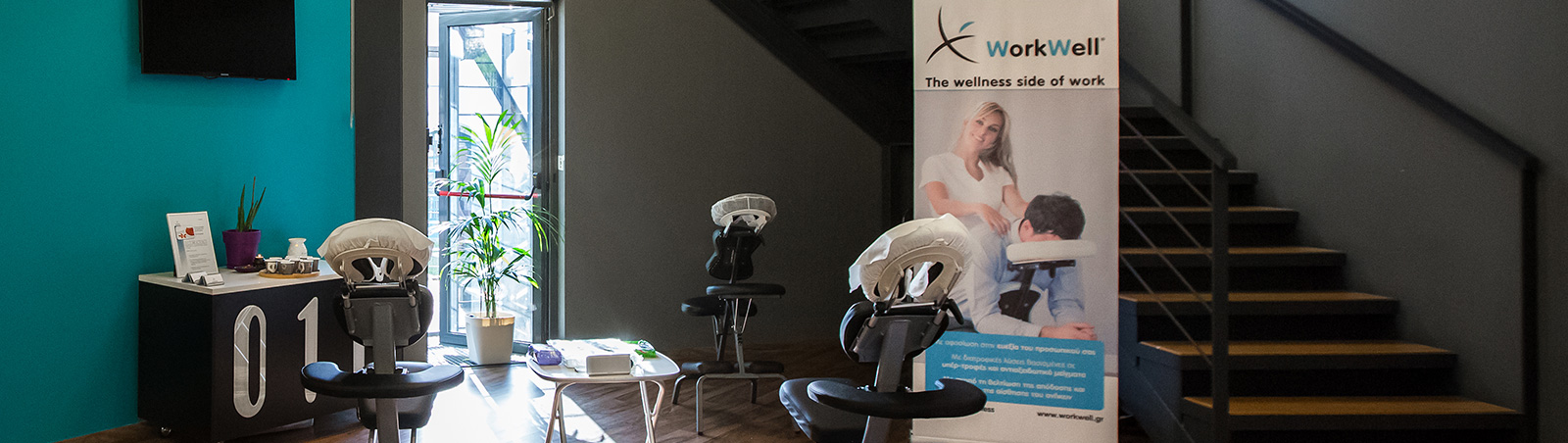
We are a hybrid corporate wellness provider, able to switch at any given moment between onsite or online, or combine both implementation channels.

Understanding
Being corporate oriented and having experienced 1st hand the demands and particular ways structured working environments operate, gives us a strong competitive advantage.
- We speak your language.
- We understand your needs.
- We can identify with your daily work life.
Operations & ROI
We are particularly good in handling the implementation process A-Z and managing most back-office needs on your behalf.
Phase 1 – Consultation
Phase 2 – Design
Phase 3 – Implementation & Communication
Phase 4 – ROI & Fine Tuning


Profound Engagement
In every phase we strive to entertain and educate your people. We always aim to exceed expectations and be their best day of the week. Boosting their morale, while helping you deliver an honest message of appreciation.
Wide Geographical Reach
Onsite, we cover all four major cities in Greece with actual physical presence. Online, we can extend our reach nearly everywhere. We are already managing other Opcos, in countries under the Greek cluster that your company may be responsible for.

Loading…

HR Director of Media Markt
April 2015
WorkWell delivered a complex chair massage project in 12 sites, across 4 cities within 4 days and satisfied 900 employees. They were flexible enough to manage our complexities and took little of our time. We repeated the project six more times, following our people’s request.

Chief People Officer of Intrasoft
April 2020
Thanks to WorkWell, Intrasoft has paved its way towards wellness. Since 2018 and every Q ever since, we implement our Wellness Week with a variety of services and their continuous support.

Managing Director of KARCHER
July 2019
After researching the market, WorkWell stood out and provided our people with Office Yoga on a steady basis. They managed the Marketing campaign and impressed us with their team’s professionalism.

C.E.O. of Isobar Iprospect
July 2017
As a company, we pay particular attention in developing and maintaining a healthy workforce; we praise the need to recognize and appreciate our staff and we seek to maintain a high level of engagement. Taking all of these into consideration, we chose WorkWell and a range of their Corporate Wellness services that they provide to our staff.
Service Pillars
We have created a wide range of experiential services based on four pillars:

Family
Kid’s Yoga | Story Telling

Nutritional
Seminars | Cooking Workshops | Private Sessions | Office Snacks

Mental
Mindfulness | Occupational Psychology | Parenting Psychology
Physical
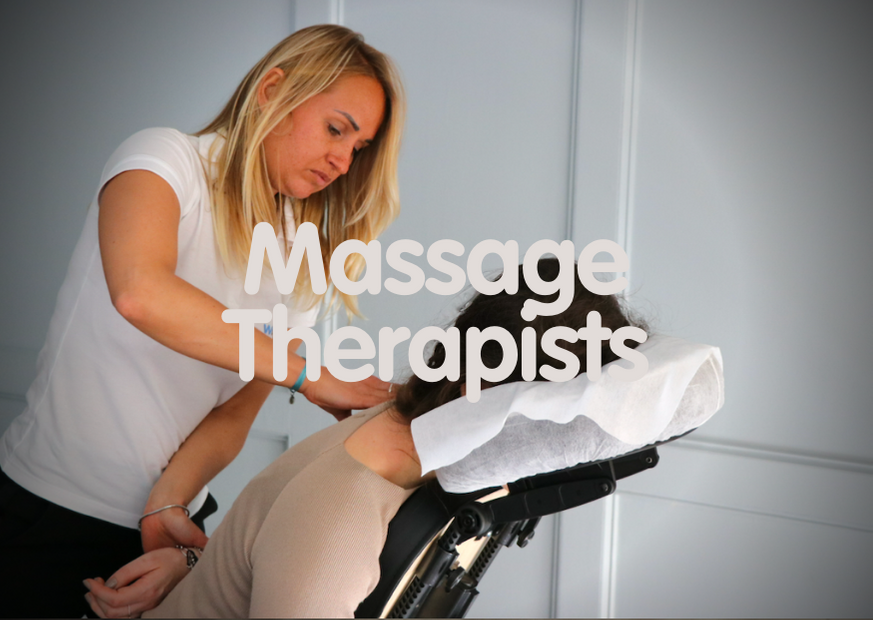
Chair Massage | Ergonomics | Yoga | Total Body
Meet the team
There are over thirty passionate and experienced professionals, each specialized in their own field of expertise but all driven by the same moto. How to improve your people’s daily lives!
Fields of expertise





Draft Offer
Ask us for a quote depending on your particular needs or share your budget and we will draft a preliminary offer for you. We strongly believe that investing in your people, is the worthiest investment a company can ever make.

Neuroscience shows that 50-year-olds can have the brains of 25-year-olds if they sit quietly and do nothing for 15′ a day
Meditation is a form of mental exercise that has become a popular US health practice. Regular practice of meditation is reported to produce changes in mental state and resting electroencephalogram patterns that persist beyond the time-period of active practice. Source: Business Insider Neuroscientist Sara Lazar found that people who practiced meditation had more gray matter in the part of the brain linked to decision-making and working memory: the frontal cortex. While most people see their cortexes shrink as they age, 50-year-old meditators in the study had the same amount of gray matter as those half their age. Participants in the study averaged about 27 minutes of the habit a day, but other studies suggest that you can see significant positive changes in just 15 minutes a day. We hypothesized that regular meditation practice should also result in significant changes in the cortical structure in regions that are routinely engaged during this mental exercise. To test this hypothesis, we used magnetic resonance imaging to visualize differences in the thickness of the cerebral cortex of experienced Buddhist Insight meditation practitioners. This form of meditation does not utilize mantra or chanting. Rather, the main focus of Insight meditation is the cultivation of attention and a mental capacity termed ‘mindfulness’, which is a specific nonjudgmental awareness of present-moment stimuli without cognitive elaboration. Neuroscientist Sara Lazar, of Mass General and Harvard Medical School, started studying meditation by accident. She sustained running injuries training for the Boston Marathon, and her physical therapist told her to stretch. So Lazar took up yoga. The yoga teacher made all sorts of claims, that yoga would increase your compassion and open your heart,” said Lazar. “And I’d think, ‘Yeah, yeah, yeah, I’m here to stretch.’ But I started noticing that I was calmer. I was better able to handle more difficult situations. I was more compassionate and open hearted, and able to see things from others’ points of view. Eventually, she looked up the scientific literature on mindfulness meditation (a category into which yoga can fall). She found the ever-increasing body of evidence that shows that meditation decreases stress, depression, and anxiety, reduces pain and insomnia, and increases quality of life. So she started doing some neuroscience research of her own. In her first study, she looked at long-term meditators (those with seven to nine years of experience) versus a control group. The results showed that those with a strong meditation background had increased gray matter in several areas of the brain, including the auditory and sensory cortex, as well as insula and sensory regions. This makes sense, since mindfulness meditation has you slow down and become aware of the present moment, including physical sensations such as your breathing and the sounds around you. However, the neuroscientists also found that the meditators had more gray matter in another brain region, this time linked to decision-making and working memory: the frontal cortex. In fact, while most people see their cortexes shrink as they age, 50-year-old meditators in the study had the same amount of gray matter as those half their age. That’s remarkable. Lazar and her team wanted to make sure this wasn’t because the long-term meditators had more gray matter to begin with, so they conducted a second study. In it, they put people with no experience with meditation into an eight-week mindfulness program. The results? Even just eight weeks of meditation changed people’s brains for the better. There was thickening in several regions of the brain, including the left hippocampus (involved in learning, memory, and emotional regulation); the TPJ (involved in empathy and the ability to take multiple perspectives); and a part of the brainstem called the pons (where regulatory neurotransmitters are generated). Plus, the brains of the new meditators saw shrinkage of the amygdala, a region of the brain associated with fear, anxiety, and aggression. This reduction in size of the amygdala correlated to reduced stress levels in those participants. How long do you have to meditate to see such results? Well, in the study, participants were told to meditate for 40 minutes a day, but the average ended up being 27 minutes a day. Several other studies suggest that you can see significant positive changes in just 15 to 20 minutes a day. As for Lazar’s own meditation practice, she says it’s “highly variable. Some days 40 minutes. Some days five minutes. Some days, not at all. It’s a lot like exercise. Exercising three times a week is great. But if all you can do is just a little bit every day, that’s a good thing, too.”

How Taking a Vacation Improves Your Well-Being
We all know that taking vacation is good for you, but it’s less clear that both employers and employees understand exactly just how good it is for you, given that every year more than half of Americans give up paid time off. According to the U.S. Travel Association, in 2018, this amounted to 768 million days of unused vacation time, with more than 30% of it forfeited completely. Add to this, the fact that over 50% of managers feel burned out, taking vacation (and actually unplugging) has never been more important. Source: Harvard Business Review Perhaps you’ve experienced first-hand feeling recharged and refreshed from a vacation in the not-too-distant past. Or maybe you and your team have been hesitant to take a vacation because you’re too busy at work. To create more sustainability for employees (and yourself), it’s important to not only regularly take available vacation time, but also to fully understand its benefits and encourage your team members to plan time off. Whether they spend their breaks lounging by a pool sipping piña coladas, doing something more active or adventurous, or even doing a staycation, going on vacation benefits their mind, body, and soul. Mind The cognitive impact when you’re overwhelmed with work can include cognitive fatigue, difficulty concentrating, forgetfulness, and impaired problem-solving ability, among several other effects. Taking a vacation provides greater opportunity for rest and better sleep (both quantity and quality), which can help unclutter your mind to create more mental space. Uncluttering your mind allows you to think more clearly and boosts creativity. This can happen in both small and big ways while on vacation. Research shows that merely taking a walk (even if it’s inside on a treadmill) significantly increases creativity. On a grander scale, taking time off provides an opportunity for big or innovative ideas to emerge. Taking vacation – and even just planning for it – can also improve your mood. In particular, many people carry a significant “sleep debt” that often comes with work-related stress and anxiety. Research shows that this lack of sleep can result in negative moods such as sadness, anger, frustration, and irritability, which can, in turn, result in more difficulty sleeping. Longer term, lack of sleep can also increase risk of dementia. Vacation provides the opportunity to reduce or eliminate this sleep deficit. According to the American Psychological Association, getting even 60 to 90 minutes more of sleep a night can improve both memory and concentration. Vacation also allows you to reset sleep patterns that can improve your mood and cognition beyond vacation. The University of Pittsburgh’s Mind-Body Center found that taking vacation increases positive emotions and reduces depression. And spending time in nature has been shown to reduce negative rumination and improves overall psychological wellbeing. Body Everyday work pressures can result in elevated levels of the stress hormones cortisol and epinephrine, similar to if you felt you were in physical danger. An increase in stress hormones has the effect of suppressing your immune system so your body can channel its energy to flee from (or fight) a non-existent saber-toothed tiger. Relaxing on vacation can reduce the levels of these stress hormones and allow your immune system to recover, making you less prone to get sick. Conversely, if stress hormones stay chronically elevated due to lack of rest and recovery time that comes as a result of putting off or forgoing vacation, you will be more susceptible to not only colds or the flu, but also vulnerable longer term to more serious illnesses like heart disease or cancer. In a study of 749 women, researchers found that those who took vacation less than once every six years were eight times more likely to develop heart problems compared to those who went on vacation twice a year. Going on vacation can also lower your chances of dying from coronary heart disease, including lower blood sugar levels and improved HDL or “good” cholesterol levels. And depending on how you spend your time while on vacation, there are additional potential physical benefits. Being in nature has the effect of reducing your heart rate and blood pressure. Engaging in physical activities like hiking, biking, swimming, or other water-based exercise can improve heart and respiratory health, while building stronger bones and muscles and improving balance, which is more important as you age. Getting a massage is not only a great way to relax while on vacation, but has physical benefits such as improving circulation, flexibility, immune response, and decreasing muscle stiffness and joint inflammation. Soul While the mental and physical benefits of vacation have been frequently touted, what is less commonly discussed is how vacation can impact us more profoundly on a deeper, more spiritual level. Our soul is our spiritual essence – it’s who we really are at our core – before our families, friends, jobs, and society inundated us with messages about who we should be. When you take time away from work to go on vacation, assuming you can mostly unplug, this break can allow you to tune out much of this external noise and tune back into your true self. You can start to separate the striver part of you, let go of your ego, and reacquaint yourself with the essence of who you really are. When people talk about their “happy place,” it’s usually a place that allows them to let go of daily pressures, reconnect with themselves at a soul level, and feel a sense of peace. It’s here that you are able to express your values unencumbered – whether it’s adventure, learning, or beauty – and do things that bring you joy. While it sounds hokey, answers to life’s big questions – like “What do I really want?” or “What’s most important to me?” – are more likely to come to us when there is some space and stillness. We get better at listening to our inner voice and can hone our intuition. Note that this quiet space can feel extremely uncomfortable for anxious over-achievers, who typically have a hard time being still and not “doing.” When we bring our authentic selves back to work, we are more likely to shed our protective veneers, which includes not wasting energy or resources on hiding our inadequacies, so we can redirect them to the work at hand. We are also more likely to focus more on the work that has the most meaning to us, which can lead to further career development opportunities. For some employees, this may mean leaving their current job if they realize there’s a disconnect in values at their company or between who they are and what they do. And that’s not necessarily a bad thing for an employer. A disengaged employee may be more expensive than one that actually quits.

Working From Home Essentials
Get serious about your home office. Invest in big-ticket items with longevity for comfort and productivity. Your own body and mind will thank you for it. Here is a meaningful list to point you in the right direction. Source Just like 9-to-5 office hours have gone the way of the dinosaur during the pandemic, companies may opt to reduce their office footprint, making WFH less the exception and more the new normal. It’s time to get serious. If your home is going to be your primary office for the foreseeable future — or years to come — you might consider investing in outfitting your space for efficiency, ergonomics and a little enjoyment. Here are six ways to help you think of this as an investment in yourself. 1. Keep Your Feet Warm | Use a Rug Chances are you aren’t wearing office dress shoes — or any shoes for that matter — to work from home, and a chilly floor underfoot is a bad way to start your workday. Since you are at home, you can create your own standards. 2. Moving From a Laptop to a Big Screen Connecting your laptop to a big screen will benefit you in so many ways. Most important in protecting your neck by alleviating the height of your screen and protecting your eyes. The top end of the monitor must meet the height of your eyes, around three fingers from the top end of the screen. 3. Take Care of Your Posture & Comfort Consider investing in a chair with both style and substance. An ergonomically designed chair will safeguard your waist, protect your spine, keep your shoulders relaxed and assist with height arrangements. 4. Get a Desk that Functions for You Yes, other people in your household may use it, but get what works for you and your needs. Need storage space (get one with drawers), need something wide with plenty of space to spread out? A desk is out there waiting for you! 5. Get Better Lighting Don’t just make do with what you have; upgrade your lighting to help with eye strain, headaches and blurred vision symptoms, which can detract from productivity. Flos’ Tab LED table lamp (left) has a tent-like head of painted aluminum that swivels 45 degrees to direct light on your desk or to aid reading on the couch. 6. Keep Your Desk Clean with Shelving The piles of books and paper on your work desk can impede your elbow room, so make sure you have a place to store the things you need nearby. Go Crazy with Plants | WorkWell Advice – Link to Article We need fresh air to live a healthy and full life, but it’s fast becoming a luxury. Air purifying plants are a great and natural way to clean your air supply. Snake Plants (Sansevieria) are very resilient and Aloe Barbadensis.
Loading…